


KUALA LUMPUR, 19 AUGUST 2025 – Reflecting the values of Malaysia’s
Madani Government, which emphasises inclusivity, sustainability, and
regional solidarity, The Ministry of Tourism, Arts and Culture Malaysia
(MOTAC), in its capacity as Chair of the ASEAN Socio-Cultural
Community (ASCC), successfully convened the Regional Forum on the
ASCC Strategic Plan, held at M World Hotel, Petaling Jaya. The Forum
was jointly organised with the ASEAN Secretariat and strategic
technology partner Telekom Malaysia Berhad, with support from the
Government of Japan through the Japan-ASEAN Integration Fund (JAIF)
3.0.
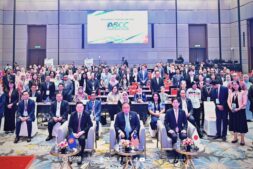
The Forum gathered almost 200 participants, including senior officials
from ASEAN Member States, alongside representatives from Federal and
State Ministries, Government Departments and Agencies, Local
Authorities, as well as Dialogue Partners, international organisations,
academic and research institutions, think tanks, scholars and nongovernmental organisations (NGOs). In addition, the Forum was streamed live to online audiences, who were able to interact and pose questions directly to the panelists, further expanding inclusivity and
engagement. This hybrid format ensured that the forum served as a vital
platform to promote a collective sense of ownership and shared responsibility among ASEAN stakeholders in realising the ASEAN Community Vision (ACV) 2045 and the ASCC Strategic Plan. This initiative reflects ASEAN’s aspiration to build a resilient, innovative, dynamic, andpeople-centred community, in line with the Malaysia MADANI values ofsustainability, prosperity, innovation and respect.
The Forum aimed to raise awareness and strengthen commitment from ASEAN Member States and stakeholders to translate strategic priorities into impactful actions. It also promoted deeper multi-stakeholder collaboration across ASEAN bodies, partners, the private sector, CSOs, academia, and local communities.
By fostering inclusive partnerships and encouraging coordinated implementation efforts, the Forum provides a platform for integrating diverse perspectives and expertise in shaping a more cohesive and impactful ASCC. This inclusive approach ensures that the ASCC Strategic Plan not only reflects the shared aspirations of the region but also unlocks the full potential of ASEAN’s rich and diverse stakeholder ecosystem.
In his opening remarks, Secretary-General of ASEAN, H.E. Dr. Kao Kim Hourn highlighted the vital contributions of stakeholders, partners and multi-level collaboration and stakeholder engagement, underscoring an inclusive and people-centred approaches rooted in people’s realities and lived experiences. He also emphasised that resilience, innovation, inclusive and sustainable development, a green ASEAN, meaningful participation and engagement, and mutually beneficial partnerships form the foundation of the ASCC Strategic Plan.
Strategic Plan is at the very core of the ASEAN Community Vision 2045,
under the theme “Resilient, Innovative, Dynamic, and People-Centred
ASEAN.” He expressed confidence that sectoral bodies would align their
policies and work plans with the Strategic Plan, emphasising the
importance of streamlining efforts, enhancing coordination with other
ASEAN pillars and initiatives, and ensuring clear visualisation and broad
dissemination of outcomes to guide future implementation.
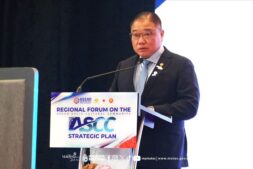
The keynote message was presented by the Honourable Dato Sri Tiong
King Sing, Minister of Tourism, Arts and Culture, in his capacity as Chair of
the ASCC Council. He stated that the ASCC Strategic Plan encapsulates
ASEAN’s shared commitment to empowering women and youth,
preserving our rich cultural heritage, narrowing development gaps,
promoting robust public health systems, advancing comprehensive
social protection, and enabling sustainable and inclusive growth for all.
This initiative reflects ASEAN’s aspiration to build a resilient, innovative,
dynamic, and people-centred community, in line with the Malaysia MADANI values of sustainability, prosperity, innovation and respect.
He urged all stakeholders present, from the regional bodies to national
agencies and local communities, to embrace collective ownership and
champion the ambitious goals set forth in the ASCC Strategic Plan.


